
Between 2015 and 2022, Massive Attack ran a string of projects that reached well beyond making records — into science, climate work and digital art. At the core of it were Robert Del Naja (3D), his manager Marc Picken and me, working as their creative collaborator, producer and technical officer.
We pulled together developers, researchers and artists from all over, shaped the ideas, ran the teams and got the things actually built. What came out was a handful of projects poking at what music might become, and what it might be for.
Mezzanine in DNA: Saving Music in Molecules
To mark the 20th birthday of Mezzanine, we asked: could an album live inside DNA?
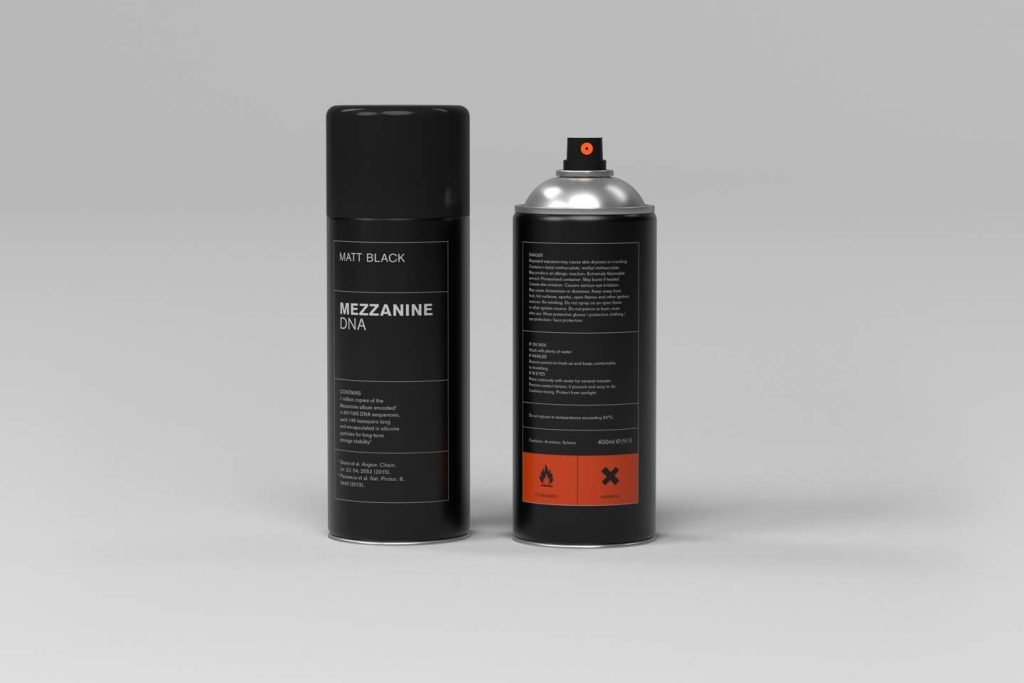
I introduced Robert Grass at ETH Zurich to this project. His lab had found ways to store data in synthetic DNA. Working with his team, we turned the album into millions of strands of code, sealed in glass beads. We then mixed them into spray paint cans, creating art that literally contained music.
There was a real point under the theatre of it: stored this way, music could in principle outlast almost anything we currently press it onto.
Fantom: Music That Changes With You
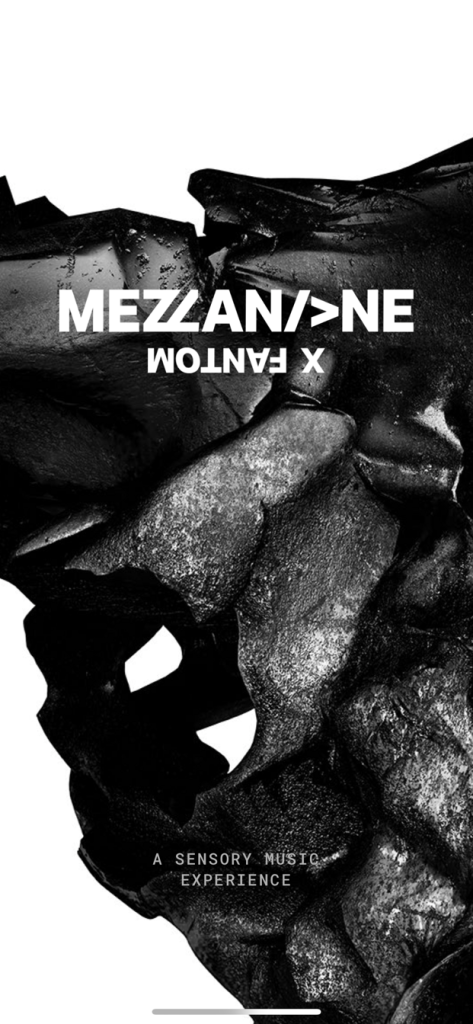
While that project looked at the far future, Fantom was built for right now. This was an app that remixed music based on the listener’s body and environment. It used things like heart rate, light, time of day, and movement to create a personal version of each track.
Rob led the creative and I led the tech side of Fantom, working closely with Jony Ive’s team at Apple and our own in-house developers. This was also the first-ever creative use of the Apple Watch, which reported heart rate and motion to the audio stems of the band on the app. No two plays came out quite the same.
AR at Gigs: Making the Crowd Part of the Show
We didn’t stop at the studio. Rob and I built a system that let him see live augmented visuals on the screen from the Fantom app onto the screens at gigs. The visuals changed with the music and surroundings.
AI and Bronze.ai: Letting Machines Join In
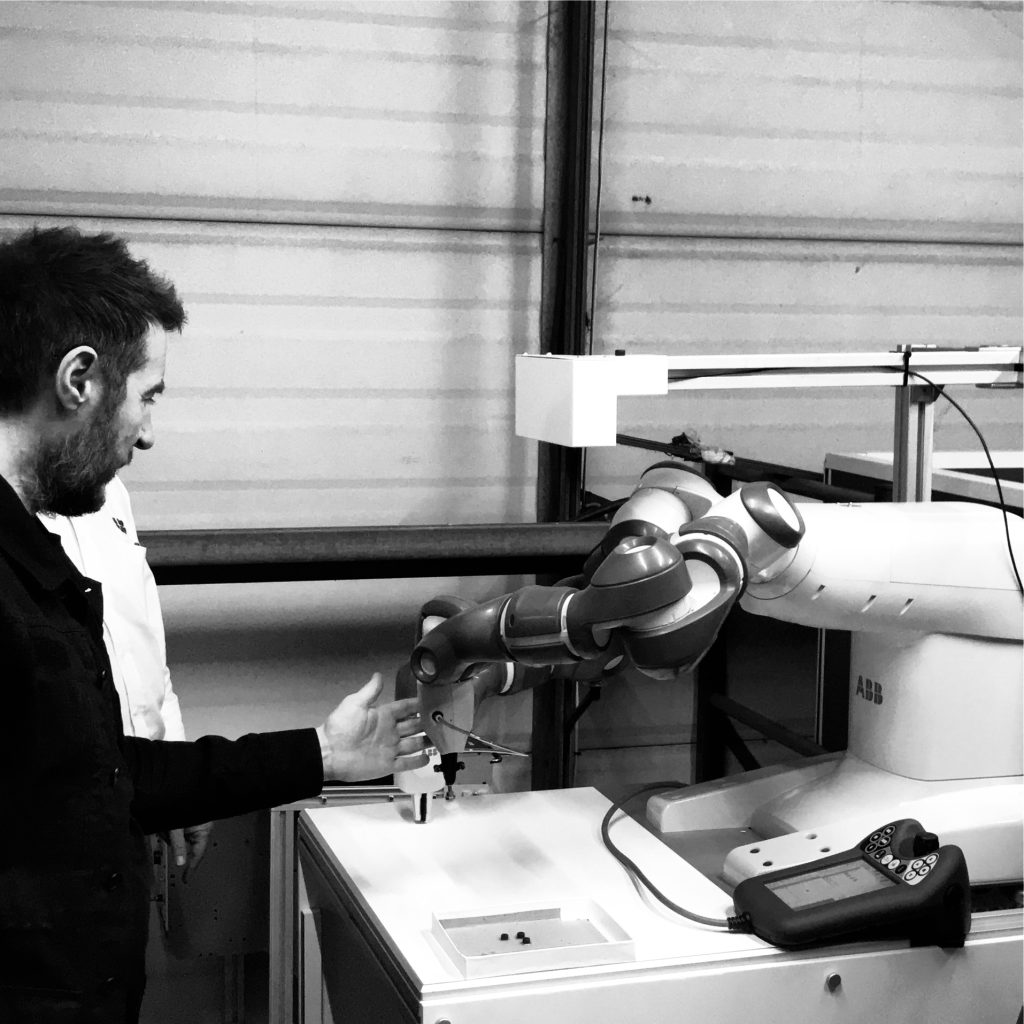
Next, we explored how machines could help make music and visuals. I brought in Mario Klingemann, Prof Mick Grierson, Prof Mischa Dohler and teams from Google DeepMind, Goldsmiths, King’s College and Bristol Robotics Lab. We trained computers to remix Mezzanine and generate new sounds based on rules we set. We built AI models based on Rob’s artworks that could help as assistive painter-bots.
That led towards work with Bronze.ai, a tool that made endless new mixes from existing music. These were used in art shows and installations such as the Barbican AI: More Than Human exhibition.
Touring Without Diesel: Act 1.5
Touring often means using diesel generators, which are bad for the environment. Rob, Marc and I created what was to become the energetic concept behind Act 1.5, an idea that replaced diesel with renewable energy battery power. I tapped into my background in clean energy R+D to design the technical concept which ultimately led to a partnership with EcoTricity which has shifted the ways artists and promoters specify power supply at gigs.
Dale Vince the founder of Ecotricity supported the shift, and Rob helped promote it with the band and commissioned the Tyndall Centre in Manchester to write a strategy to help support the band’s green touring ambitions. Together we worked with Extinction Rebellion and Greta Thunberg to push for wider change — a small demonstration that touring needn't cost the earth quite so literally.
Helping Other Artists
We didn’t just build for ourselves. We helped other artists use our tools too. For example, I brought Run the Jewels and DJ Seth Troxler into the AR world system. I also worked on digital projects scanning friends of the band such as Marina Abramović, Kate Moss with the photographer Dusan Reljin and creating unique collaborations with Unreal Engine.
In each case I adapted what we'd built to suit how they worked, and tried to leave them with something they could actually own and use.
How It Worked
None of it was really about the technology. It was about the ideas, the people, and a willingness to look faintly ridiculous. Robert had the vision; Marc made the room to chase it; my job was to plan it, design it and get it working.
There was never much of a plan, just a run of questions — each one an excuse to find out what music, and art, might do next.
Excerpts from Wired Magazine, March 2019.
